A Look Back at the Last Eight Years of KCHC’s
Consumption and Treatment Services Site
Before KCHC launched its Consumption and Treatment Services (CTS) program in 2018, Ontario was in the grip of an unprecedented public health crisis.
Fentanyl and other increasingly potent opioids were making the drug supply more unpredictable and dangerous, putting people at growing risk of a fatal overdose.
Between 2016 and 2017 alone, Kingston saw an almost 50 per cent increase in opioid-related deaths, with KFL&A’s rate of fatal overdoses exceeding the provincial average. Something more had to be done, and KCHC knew it was time to try something different.
In the summer of 2018, Street Health Centre opened Kingston’s first and only Overdose Prevention Site, creating a safer place for people to use drugs under the supervision of trained professionals. Paramedics served as the site’s medical leads, with KCHC staff by their side, ready to respond when an overdose occurred.
“It was an important milestone to open one of Ontario’s first Overdose Prevention Sites. At the time, there was a lot of support from the Ministry of Health and our local Medical Officer of Health,” explains Meghan O’Leary, KCHC’s Director of Clinical Services. “We hoped the site would help turn the corner on the opioid crisis, but we also saw it as an opportunity to build relationships with people who use drugs and connect them with other supports and services. That included hepatitis C and HIV testing & treatment, primary care and addiction medicine.”
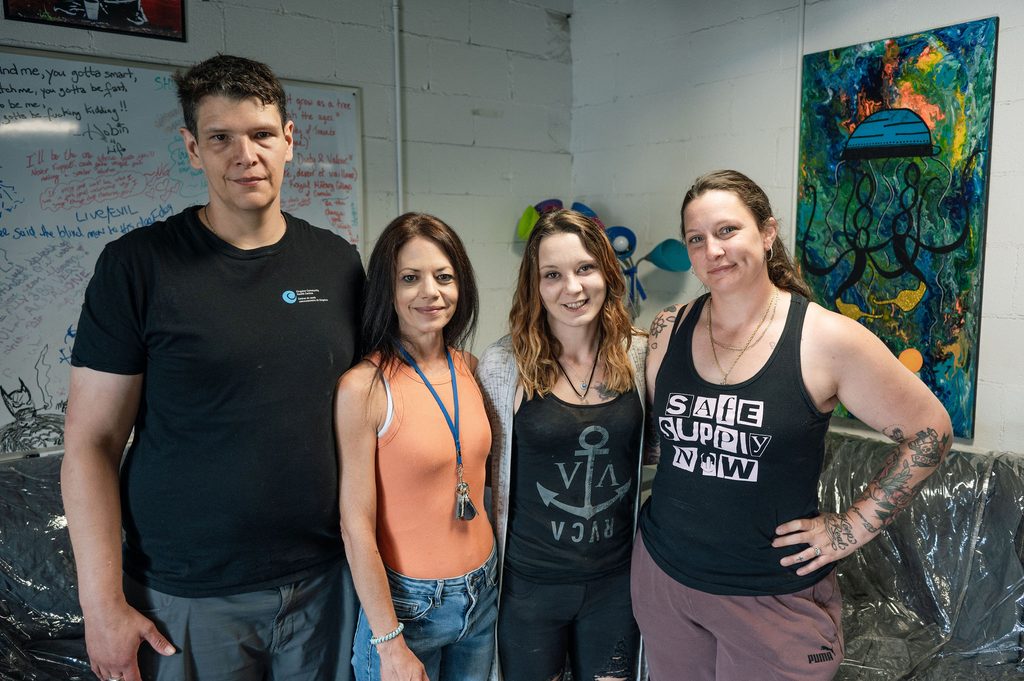
CTS eventually moved into its permanent home in the lower level of Kingston’s Integrated Care Hub (ICH) on Montreal Street. There, it became part of a network of services alongside AMHS KFLA and Trellis HIV & Community Care (formerly HARS).
Together, the Hub offered people a place to escape the elements, use the bathroom, have something to eat, see a doctor or nurse, get tested, use substances more safely, access new supplies, and connect with the supports they needed.
“CTS was the first door that opened many other doors. Many of our clients were unattached to primary care and had never tried opioid agonist therapy. For some, it was their first connection to the shelter system, through a referral,” explains CTS Program Coordinator Justine McIsaac. “We helped people access OW and ODSP, find employment and volunteer opportunities, and connected them with treatment and housing. Later on, our drug checking service brought another layer of support. And through it all, the CTS team responded to thousands of overdoses with grace, love and humility.”
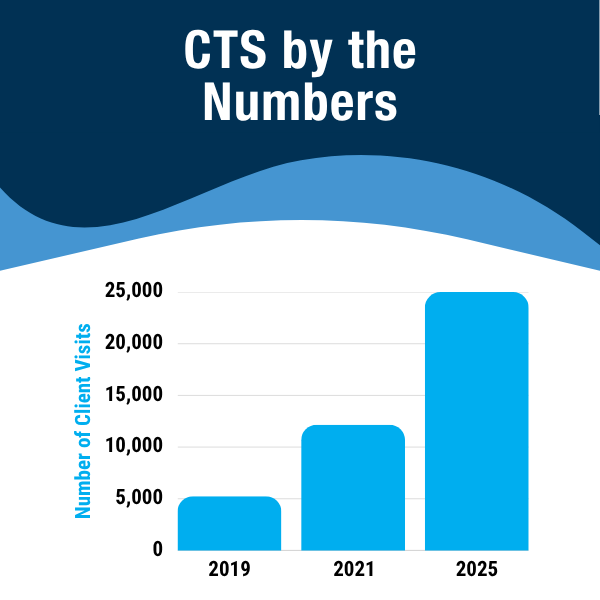
Life post-pandemic made the need for CTS services more complicated. As poverty spread across the community, food insecurity and housing instability worsened. Mental health and substance-use challenges became increasingly visible, while shelter beds couldn’t keep up with the number of people experiencing homelessness. More people were pushed into increasingly difficult circumstances, including encampments in and around the ICH.
CTS staff saw the consequences firsthand. They responded to overdoses alongside their Community Paramedic partners. They helped deliver babies. They supported people dropped off at the ICH after hospital stays and after getting out of jail. Some clients showed up without coats in the middle of winter. Others arrived with newly amputated limbs and nowhere to go. Some had been trafficked. Others were just 13 years old.
Staff responded to anyone who came through the door, doing what they could with the people and resources in front of them. Sometimes that meant providing warmth or a meal. Sometimes it meant helping someone fleeing horrific violence just outside the door. For CTS staff, the job was never simply about providing supervised consumption. It was about meeting people where they were, even when their circumstances were difficult, chaotic and sometimes unimaginable.
“I think there is still a lot of misconception about what we really do here. People think we provide the substances for people to use, which isn’t true. Some people in the community feel like we’re drawing people here, but it was the needs of people that brought us here,” explains CTS Medical Secretary Laura Roberts. “Some of our clients live very rough and never access the shelter upstairs. They live in encampments or out in the woods, without running water. At CTS, they could get dry, get warm, have a meal, rest, talk to someone and see our primary care team. Many were dealing with significant health issues. We were able to help with those things, too. We met people where they were and helped with what they needed that day.”

In April, the Ontario government announced that funding for Kingston’s CTS site would end on September 30, making it the last CTS site in Ontario to close.
Evidence from other jurisdictions in Ontario has shown that the loss of supervised consumption sites can increase overdose risk, lead to more people using drugs alone, increase calls to 911 and Emergency Department visits, and reduce access to essential health supports. It also means more overdoses will happen outside a clinical setting, with untrained members of the public potentially becoming the first people called upon to respond in parks, neighbourhoods, homes and the downtown core.
“I’m heartbroken at the thought of CTS not being there, and I’m deeply worried about how and where people will use substances,” shares Wendy Vuyk, KCHC’s Director of Community Health. “It was a remarkable model of care. It saved lives, but it also saved the healthcare system a great deal of money by bringing care to people when and where they needed it. I can’t help but wonder what the cost for our community will be when CTS is no longer there.”
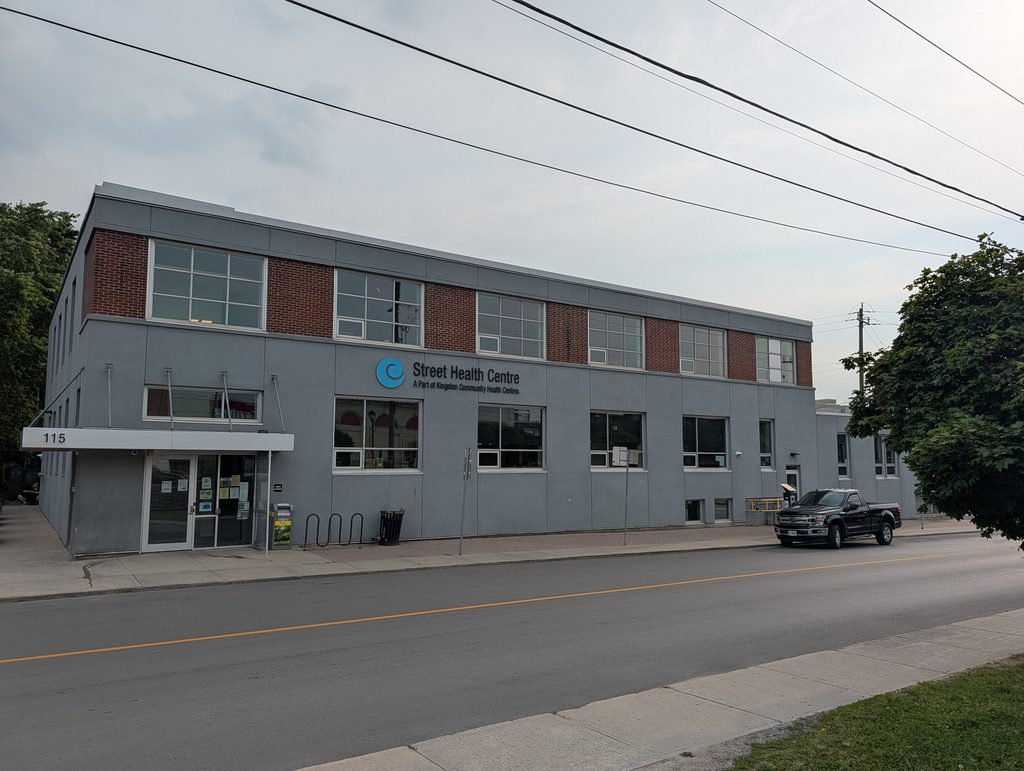
When CTS closes on September 30, KCHC will continue providing care through Street Health Centre, with a greater focus on outreach. We will ramp up our efforts to reach people who are wanting access to clinical care, connecting them to primary care, addiction treatment and other health supports. This will include rapid access to addiction medicine, testing and treatment for sexually transmitted and blood-born infections, medications, connections to housing and other supports, and more proactive outreach to people experiencing homelessness or facing barriers to traditional healthcare.
We will also transition the existing CTS services that can continue outside of supervised consumption to Street Health Centre. The goal is to make sure people who relied on CTS for healthcare and connections to other supports can continue to access that care. For many clients, CTS was their entry point into the healthcare system, and maintaining those relationships and pathways to care will be an important part of the transition.
KCHC is also working to keep the drug checking program going. The service can analyze a variety of substances for unexpected or potentially dangerous contents, giving people information they can use to make safer decisions. We are continuing to seek the support needed to maintain the program in Kingston, recognizing that access to timely information about the drug supply remains an important harm-reduction tool.
“I want to express my gratitude to KCHC for being willing to take the risk to provide Consumption and Treatment Services, and to my team, who have responded to thousands of overdoses,” says Justine. “I also want to thank our clients for the love, grace and forgiveness they have shown us over the years. The people we serve bring so much joy to our lives. They have impacted, shaped and molded all of us in different ways, and we are forever grateful to them. They will always have such a special place in our hearts.”